The Dialogue Compass
The Complete Version of the Tool
Codesigned with RKI and with valuable input from Youth Work Professionals in Finland
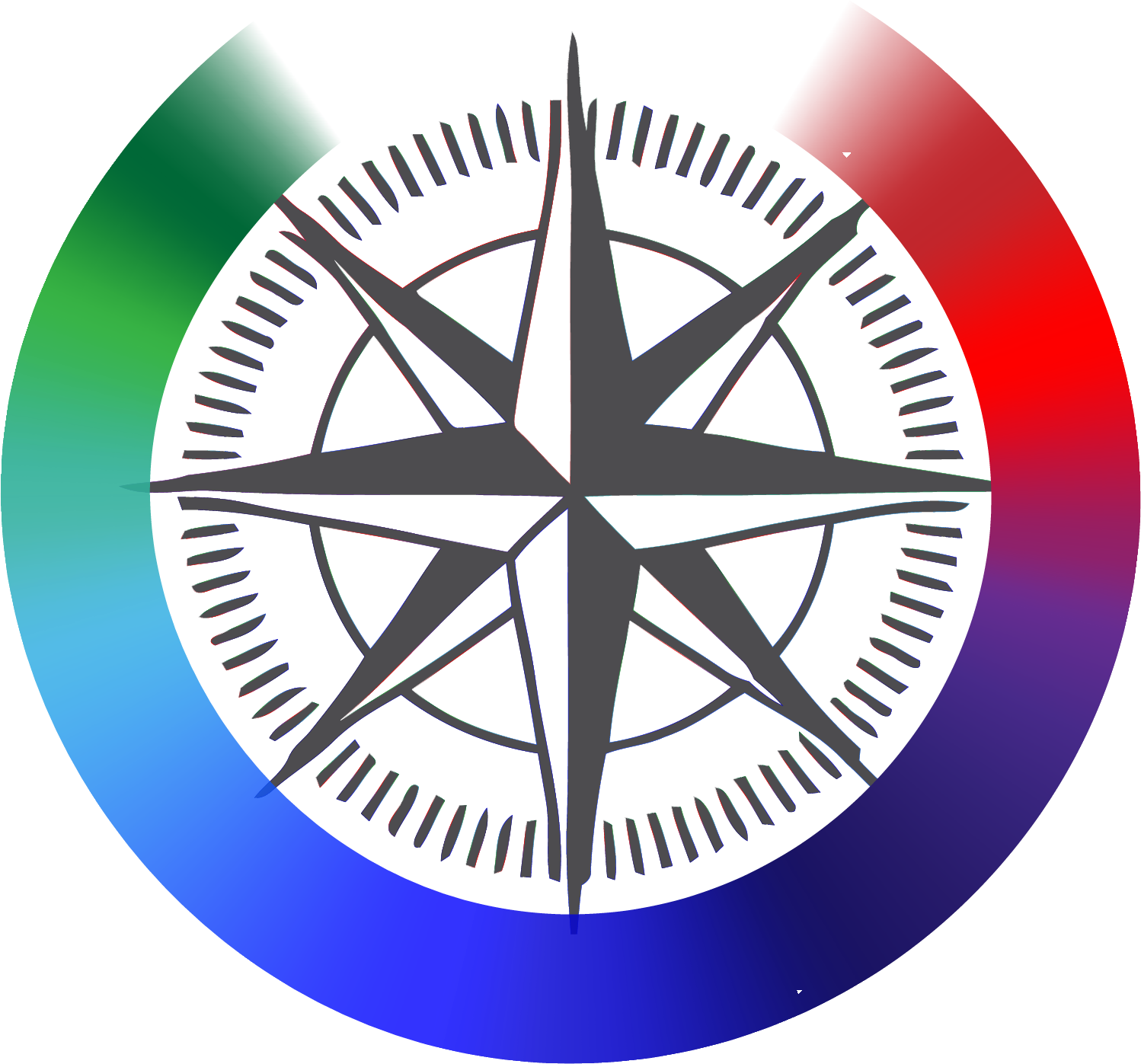
The Six Zones
These are the six zones. By selecting the zone, you are directed to a detailed description and advice (on a new page).
Light Green
Tension held
“We see things differently — but we’re still talking.”
Different views are expressed openly. People still listen to each other across the divide. Questions are asked to understand, not just to challenge. Disagreement is held without the relationship breaking down.
Read more
Light Blue
Something’s wrong
“People are complaining — but not to each other.”
Frustration circulates within groups rather than across them. Certain subjects are quietly avoided. People feel unheard but don’t say so directly. The atmosphere feels managed rather than genuine.
Read more
Blue
Sides forming
“It’s become us and them.”
Stereotypes appear in how the other side is described. People gravitate toward those who agree with them. Arguments repeat without either side genuinely listening. Speaking as “we” replaces speaking as “I.”
Read more
Indigo
Drifting apart
“They don’t come to shared spaces anymore.”
Groups meet and organise separately. Each side relies on different and incompatible sources of information. The other side’s motives are assumed rather than explored. Contact is actively avoided rather than simply absent.
Read more
Purple
Loyalty hardens
“You’re either with us or against us.”
The conflict has become part of who people are. Questioning your own side feels like betrayal. Moderate voices fall silent or disappear. Actions provoke reactions in an escalating cycle.
Read more
Red
Hostility becomes legitimate
“They deserve what’s coming to them.”
Dehumanising language becomes normal. Threats, intimidation, or violence occur. Aggression by your own side feels justified. Outside attempts to help are rejected.
Read more